Home About Contact Blog Call (866) 203-7057
Residential Wastewater Cleanup • New Orleans

Sewage Backup Cleanup in New Orleans, LA

Sewage backup cleanup in New Orleans addresses contaminated wastewater entering a home through drains, toilets, sewer connections, or other wastewater systems. Cleanup may include controlling access, removing contaminated water, evaluating affected materials, cleaning appropriate surfaces, and addressing moisture before repairs. Because sewage can carry harmful contaminants, it requires different precautions than an ordinary clean-water leak.

Residential Homeowners Contaminated Water Affected Material Cleanup New Orleans City
Wastewater Sewer and drain backups
Safety First Reduce exposure to contamination
Material Decisions Cleaning versus removal
New Orleans City-focused provider connections
Immediate Homeowner Priorities

What Should You Do First After Sewage Backs Up?

First, keep people and pets away from the wastewater. Sewage may contain harmful microorganisms and other contaminants, so avoid walking through it or handling affected belongings. Next, consider whether the source remains active and arrange appropriate help to identify the wastewater problem.

Keep the Affected Area Clear

  • Keep children and pets outside contaminated rooms.
  • Avoid touching wastewater or affected belongings.
  • Do not use ordinary household vacuums to remove sewage.
  • Stay away from wet electrical equipment and outlets.
  • Avoid using affected plumbing fixtures until the cause is addressed.

Gather Useful Information Safely

  • Identify which toilet, drain, or fixture overflowed.
  • Note whether wastewater reached neighboring rooms.
  • Record visible damage from a safe location.
  • Explain whether the backup is continuing or has stopped.
  • Describe affected flooring, walls, cabinets, and belongings.
Important safety warning

Do not enter areas where standing water may contact electrical hazards. Also, avoid attempting sewage cleanup without appropriate protection and procedures. For official guidance, review CDC disaster-cleanup safety information .

Understanding Wastewater Sources

When Does a Drain Backup Become a Sewage Cleanup Problem?

A sewage cleanup problem develops when wastewater enters living areas or contacts materials that homeowners normally expect to remain clean. The source matters because wastewater can introduce contamination beyond the moisture itself.

For example, a blocked sewer line may push wastewater through a lower-level floor drain. Alternatively, a toilet overflow caused by a wastewater-system problem may affect surrounding flooring and trim.

Once wastewater reaches porous materials, cleanup becomes more complicated. Carpet, drywall, insulation, and certain floor assemblies may require evaluation for removal rather than routine drying.

Know the difference.

Clean-water standing water and sewage-contaminated water call for different decisions. For a clean-water problem, see water extraction in New Orleans .

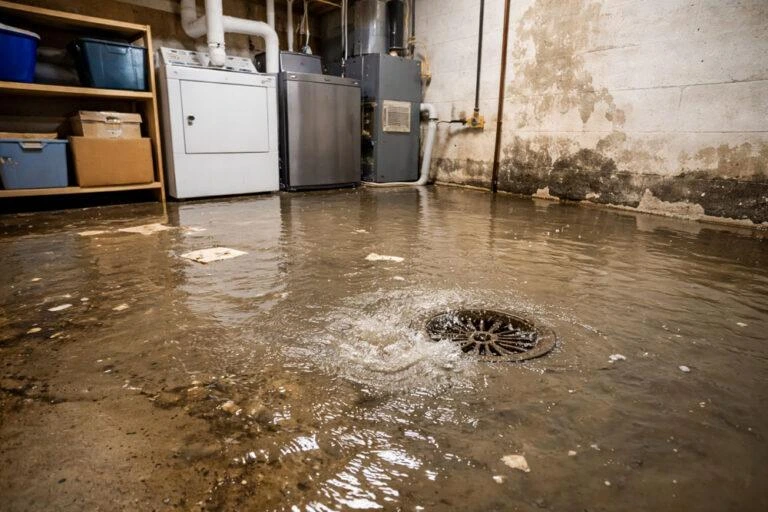
Sewage-contaminated water pooling around a floor drain in a residential laundry room
Two Different Problems

Stopping a Sewer Backup Is Not the Same as Cleaning the Home

A sewage backup can require two separate types of work. First, a plumber or wastewater-system specialist may need to diagnose the blockage, failed line, or fixture. Then, contaminated-water cleanup focuses on what the wastewater contacted inside the home.

Wastewater-System or Plumbing Work

The specialist investigates why the sewer or drain stopped carrying wastewater away. Depending on the problem, the work may involve a blocked drain, damaged line, or another system failure.

However, repairing the pipe does not automatically make contaminated flooring and walls safe.

Contaminated-Water Restoration

Cleanup addresses wastewater inside the building. This may involve access control, extraction, contaminated-material removal, cleaning, and moisture evaluation.

Therefore, homeowners should confirm which company will handle each part of the job.

A useful question before hiring: Does the proposed service include resolving the wastewater source, interior cleanup, both, or only one part?
Step-by-Step Overview

How Sewage Backup Cleanup in New Orleans Works

Sewage backup cleanup in New Orleans depends on where the wastewater traveled and which materials it contacted. Although each project differs, a typical process addresses safety and access, contaminated water, affected materials, cleaning, remaining moisture, and restoration needs.

1

Assess the Situation

Identify the apparent source, affected rooms, hazards, and areas that need restricted access.

2

Control Contaminated Water

Appropriate extraction methods remove wastewater where conditions allow. Meanwhile, the source of the backup must also receive attention.

3

Evaluate Materials

Review flooring, drywall, insulation, cabinets, and contents to decide which materials can remain.

4

Clean Affected Surfaces

The provider uses appropriate cleaning and disinfection procedures for suitable remaining materials.

5

Evaluate Retained Moisture

Once the contamination concerns have been addressed, suitable remaining materials may require drying and monitoring.

6

Plan Repairs

The provider explains the cleanup results, outstanding issues, and whether reconstruction requires a separate scope.

Need help after a sewage backup?

Describe the wastewater source, affected rooms, and whether standing water remains. Call to check independent local-provider availability.

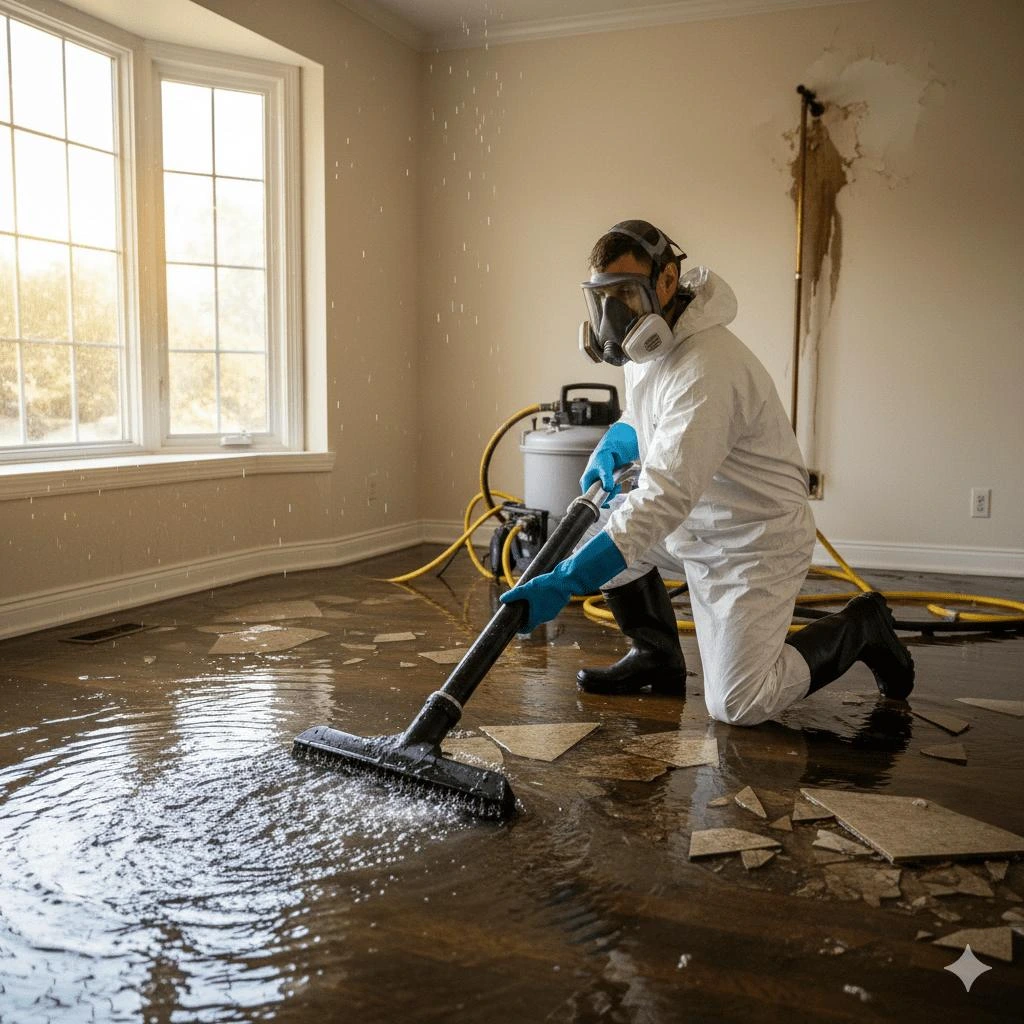
Restoration worker wearing protective equipment while extracting contaminated water inside a residential work area
Contamination and Material Decisions

Why Sewage-Affected Materials Need Special Attention

Sewage cleanup requires more than removing visible standing water. Contaminated water may enter porous materials, floor assemblies, wall cavities, and other areas that do not look severely damaged at first.

In particular, drywall, insulation, carpet, and absorbent furnishings may retain contamination even when they appear dry. A provider should explain which affected materials require removal and which surfaces allow appropriate cleaning.

Moreover, protective equipment and containment practices help reduce exposure and limit the movement of contaminated debris during cleanup.

For these reasons, simply using fans or household cleaning products may not adequately address sewage contamination.

Ask about the work scope.

Which materials will the provider remove? What cleaning procedures will they use? Does the plan include drying or rebuilding once contaminated materials are addressed?
Clean, Remove, or Evaluate

How Different Materials Affect Sewage Cleanup Decisions

Material type changes the cleanup approach. Hard surfaces may allow appropriate cleaning, while contaminated porous materials can require removal. However, the actual decision depends on contact, condition, construction, and contamination.

Affected Material Key Cleanup Consideration
Tile and other suitable hard surfaces May allow cleaning and disinfection, although underlying assemblies still need evaluation.
Drywall and insulation Sewage-contaminated porous materials often require removal.
Carpet and absorbent flooring Contamination can reach the carpet, pad, and underlying materials.
Cabinets and trim Material composition, exposure, and hidden moisture influence whether cleaning is practical.
Structural framing and subfloors Appropriate cleaning and moisture assessment may be necessary after contaminated materials are removed.

For broader health and cleanup guidance, consult the CDC's flooded-home safety guidance .

After Contaminated Materials Are Addressed

The Structure May Still Need Drying

Removing sewage does not automatically remove moisture from remaining framing, subflooring, or other building materials. Consequently, the cleanup plan may include further moisture assessment.

Importantly, drying alone is not a substitute for addressing contamination. The provider should first determine whether affected materials can remain safely in place.

Learn more about structural drying in New Orleans .

Cleanup vs. Reconstruction

Who Handles the Repairs After Sewage Cleanup?

Some cleanup projects require removal of drywall, flooring, insulation, or damaged trim. Afterward, the home may need separate restoration work.

A cleanup proposal does not always include reconstruction. Therefore, ask whether the provider will replace materials or whether a different contractor must complete those repairs.

Keep the scope clear.

Separate contaminated-water cleanup, plumbing repairs, moisture control, and reconstruction in written estimates whenever appropriate.

Different Water Sources

Sewage Backup Cleanup vs. Flood Cleanup

Both situations may involve contaminated water, but they describe different starting points. Sewage backup cleanup focuses on wastewater entering from drains or sewer-related systems. Flood cleanup covers broader water intrusion and flooding events.

Sewage Backup Cleanup Flood Cleanup
Often starts with a backed-up toilet, drain, or sewer connection. Often follows exterior flooding, severe rain, or rising water.
Wastewater contamination is central to cleanup decisions. Water-source assessment and possible contamination remain important.
May require both wastewater-system repairs and interior cleanup. May affect several rooms or multiple levels of building materials.
For water entering from outside during a broader flooding event, visit flood cleanup in New Orleans .
Understanding the Cleanup Scope

What Makes Sewage Backup Cleanup More Involved?

The visible amount of wastewater tells only part of the story. For example, a limited backup can require extensive work if it reaches several porous materials. By contrast, a contained incident on suitable hard surfaces may present a different cleanup scope.

Amount of Wastewater

More water can increase extraction needs and the number of affected areas.

Rooms Affected

A single bathroom differs from wastewater spreading into hallways, bedrooms, or living spaces.

Flooring and Wall Materials

Porous materials may require more extensive removal than suitable hard surfaces.

Hidden Contamination

Water can reach under flooring, behind baseboards, and into concealed cavities.

Time Before Cleanup

Delays may complicate material conditions and increase moisture-related concerns.

Repair Work

Replacement flooring, walls, cabinets, and finishes may require a separate reconstruction scope.

Clarify what the provider's estimate covers.

Ask about extraction, cleaning, material removal, disposal, moisture assessment, and repairs. Independent providers determine their own pricing.

Documenting the Damage

What Should Homeowners Document After a Sewage Backup?

Documentation helps homeowners understand the original damage and track changes during cleanup. If you can do so safely, take photographs before workers remove affected materials. Also, keep records of the source, timing, and proposed work.

Visible Conditions

Photograph affected rooms, visible water, staining, and damaged belongings from a safe area.

Backup Details

Note the date, suspected source, affected fixtures, and whether wastewater was still entering.

Written Cleanup Scope

Keep proposals describing extraction, cleaning, removal, and related services.

Additional Findings

Record concealed damage discovered during material removal.

Provider Information

Retain business details, insurance information, qualifications, and agreements.

Completion Records

Save invoices, work summaries, photographs, and information about remaining repairs.

Insurance note: Coverage depends on the policy and circumstances of the backup. Ask your insurer what documentation it needs. This website does not guarantee insurance approval or payment.

Standard homeowners policies generally exclude sewer and drain backups unless applicable additional coverage exists. For coverage distinctions and questions to ask your insurer, read our Louisiana water damage insurance guide .

New Orleans Homeowner Context

Sewer Backup Risk and New Orleans Properties

New Orleans homeowners may encounter sewage or wastewater problems after plumbing blockages, damaged sewer connections, or other system failures. Additionally, heavy rainfall and drainage pressures can complicate local water-related conditions.

However, not every backup comes from the same source. Some problems develop within private plumbing, while others may involve wastewater infrastructure outside the property.

Consequently, homeowners should ask who is responsible for identifying the source and which work falls within the restoration provider's proposed cleanup scope.

For local utility information, visit the Sewerage & Water Board of New Orleans . For broader storm and emergency preparedness, review NOLA Ready .

If you need an overview of related residential services, explore our water damage restoration in New Orleans homepage.

Moisture After Wastewater Cleanup

What If Mold Is Also Present?

Sewage contamination and mold growth are different concerns. However, one property can experience both, especially when affected materials remain damp for an extended period.

If visible or suspected mold is present, ask whether the cleanup plan includes an appropriate mold-related assessment. In addition, determine whether separate remediation work is necessary.

Read about mold remediation in New Orleans for that specific concern.

Professional Standards

What Should Guide the Cleanup Plan?

Cleanup decisions should reflect the water source, material condition, extent of contamination, and relevant safety procedures.

Homeowners can review industry information about professional water-damage restoration through the ANSI/IICRC S500 standard . This resource does not replace site-specific evaluation.

Before hiring, verify the independent provider's qualifications, insurance, and written work scope.

Before Approving Cleanup

Questions to Ask About Sewage Backup Cleanup

A useful proposal should explain the source of contamination, extent of damage, materials that require attention, and work that follows cleanup. Therefore, ask for clear answers before approving the project.

Has the Backup Source Been Addressed?

Confirm who will investigate the sewer, drain, plumbing, or other wastewater system.

Where Did the Wastewater Travel?

Find out whether contamination reached wall cavities, floor layers, cabinets, or adjacent rooms.

Which Materials Must Be Removed?

Ask why the provider recommends removal rather than cleaning for specific materials.

How Will Affected Areas Be Cleaned?

Request an explanation of the cleaning process for appropriate remaining surfaces.

Is Additional Drying Necessary?

Confirm whether suitable structural materials still contain moisture after cleanup.

Does the Proposal Include Repairs?

Check whether reconstruction follows under the same agreement or requires separate arrangements.

Homeowner Questions

Frequently Asked Questions About Sewage Backup Cleanup

What does sewage backup cleanup involve?

Cleanup may involve limiting access, removing wastewater, evaluating materials, cleaning suitable surfaces, addressing retained moisture, and planning repairs. The exact work depends on the contamination.

Is sewage water different from ordinary water damage?

Yes. Sewage introduces contamination concerns that affect safety, material decisions, and cleanup. Consequently, ordinary clean-water drying methods may not be enough.

Can I clean up a sewage backup myself?

Sewage can expose people to harmful contaminants. Avoid entering affected areas or disturbing contaminated materials without appropriate protection and procedures.

Does a plumber also clean the damaged room?

Not necessarily. Plumbing work addresses the wastewater source, whereas restoration cleanup handles contaminated water and affected building materials. Confirm the scope with each provider.

Can sewage-contaminated drywall stay in place?

Sewage-contaminated drywall may require removal because it is porous. A provider should evaluate the contamination and explain the material decision.

Does the home need drying afterward?

Sometimes. After addressing contaminated materials, suitable remaining framing or subfloors may need moisture assessment and structural drying.

Is floodwater always free of sewage?

No. Floodwater can contain sewage and other contaminants. Therefore, the water source and potential exposure need careful evaluation.

How can I check cleanup availability in New Orleans?

Homeowners can call (866) 203-7057 to describe the sewage backup and check participating independent provider availability.

Residential Sewage Backup Cleanup

Check Sewage Backup Cleanup Availability in New Orleans

Need sewage backup cleanup in New Orleans after a toilet overflow, drain backup, or wastewater-system problem? Describe where the wastewater entered, which rooms it affected, and whether the source remains active. Then, call to check independent local-provider availability.

This website helps homeowners connect with independent local service providers. Service availability depends on ZIP code, request type, and provider capacity. Homeowners should verify applicable licensing, insurance, qualifications, and the proposed work scope before hiring. All persons depicted in generated illustrations are models, not identified local employees.