Home About Contact Blog Call (866) 203-7057
Residential Flood Cleanup • New Orleans

Flood Cleanup in New Orleans, LA

Flood cleanup in New Orleans addresses water that enters a home during heavy rain, rising water, or other flooding events. Cleanup may involve removing standing water, evaluating potentially contaminated materials, clearing debris, cleaning appropriate surfaces, and addressing trapped moisture before repairs begin.

Residential Homeowners Floodwater Cleanup Affected Materials New Orleans City
Water Removal Standing floodwater and excess water
Material Evaluation Determine appropriate cleanup options
Moisture Control Drying and monitoring where appropriate
New Orleans Independent local-provider connections
First Steps After Flooding

What Should You Do First After Water Floods Your Home?

After flooding, prioritize safety before moving furniture or starting cleanup. Floodwater may contain sewage, chemicals, debris, and other contaminants. In addition, wet electrical equipment can create serious hazards. Keep people away from affected areas until conditions allow safe access.

Keep People Out of Unsafe Areas

  • Keep children and pets away from floodwater.
  • Avoid walking through standing water.
  • Do not touch wet electrical equipment.
  • Stay out of areas with structural damage.
  • Avoid contact with potentially contaminated belongings.

Document Visible Conditions Safely

  • Photograph affected rooms from a safe location.
  • Record visible water levels and damaged materials.
  • Note how the water entered the property.
  • Identify rooms and belongings that appear affected.
  • Save relevant cleanup and repair records.
Never enter floodwater to reach an electrical breaker.

If electrical equipment or the breaker panel is near standing water, do not attempt to shut it off by walking through the water. Follow guidance from qualified emergency or utility personnel. For more information, read the CDC's flooded-home safety guidance .

Choosing the Appropriate Service

When Is Flood Cleanup in New Orleans the Right Service?

Flood cleanup in New Orleans is relevant when a broader flooding event introduces water into a home. For example, heavy rainfall or rising outdoor water may reach flooring, drywall, cabinets, furniture, and other materials. However, a small clean-water plumbing leak may call for a different service.

Flood Cleanup May Be Appropriate When…

  • Rainwater enters the home from outside.
  • Rising water reaches several rooms.
  • Floodwater carries mud, debris, or possible contamination.
  • Flooring, insulation, or drywall becomes saturated.
  • Water recedes but damaged materials remain.
  • Cleanup requires more than basic water extraction.

Water Extraction May Be More Appropriate When…

  • A supply pipe breaks inside the home.
  • An appliance releases relatively clean water.
  • Standing water is the main immediate problem.
  • The event does not involve wider exterior flooding.

If standing water is the primary concern, review water extraction in New Orleans .

Floodwater and Building Materials

Outdoor Floodwater Can Affect More Than the Floor

Floodwater entering from outside may carry mud, debris, chemicals, sewage, or other contaminants. Therefore, cleanup decisions should consider both the moisture and what the water contacted inside the home.

For instance, even shallow flooding can reach baseboards, drywall, flooring layers, cabinets, and insulation. Meanwhile, moisture may travel into concealed spaces beyond the visible waterline.

As a result, a room may require material evaluation even after workers remove standing water. The cleanup plan should explain which materials can remain, which require cleaning, and whether removal is necessary.

Floodwater is not automatically clean water.

The source and contamination conditions affect cleanup decisions. Review EPA flooded-home guidance for additional homeowner information.
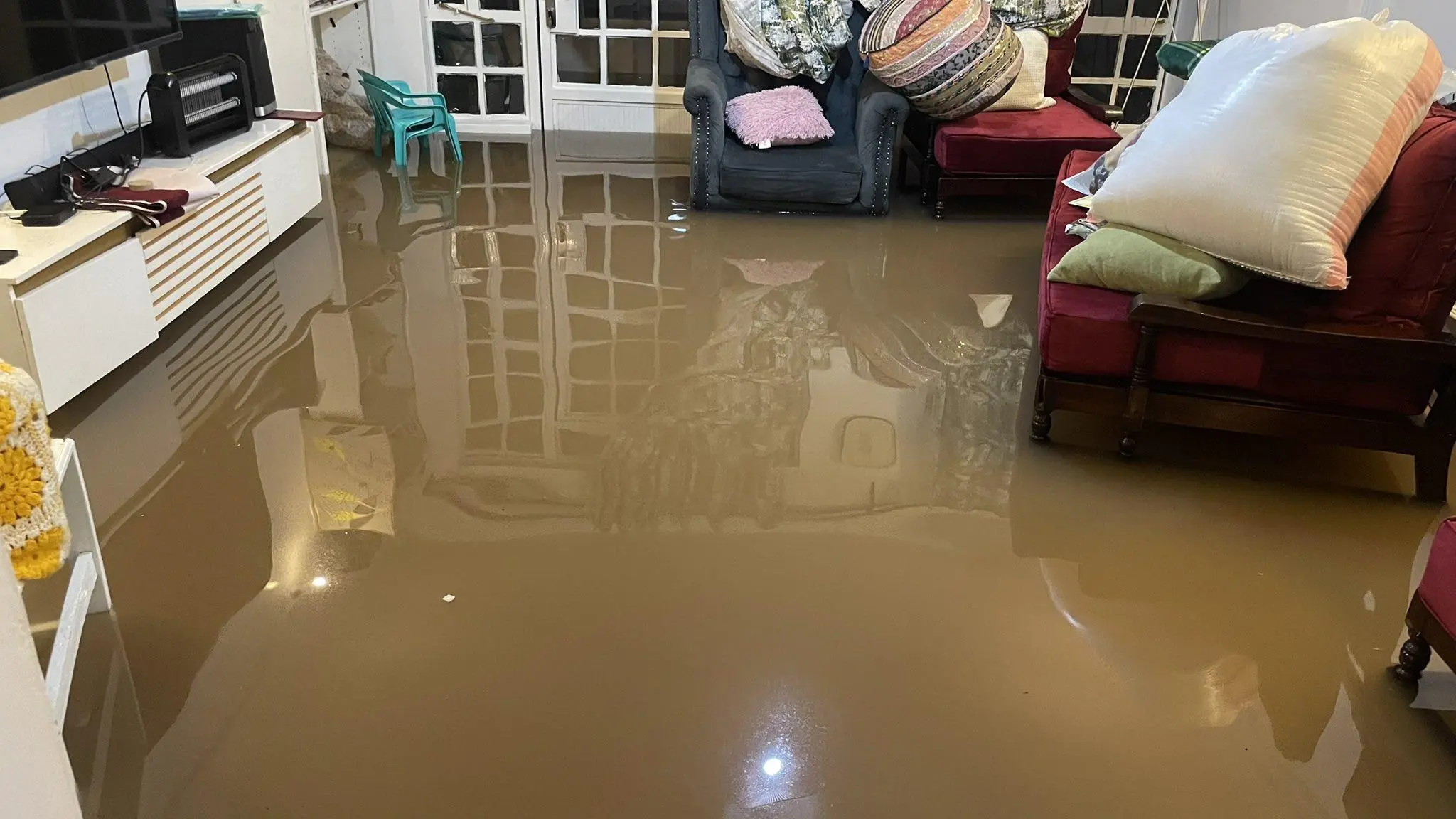
Floodwater covering the floor of a residential living room after water intrusion
Step-by-Step Overview

How Flood Cleanup in New Orleans Works

Flood cleanup in New Orleans depends on the source of water, level of contamination, affected materials, and remaining moisture. First, providers assess safety and the extent of flooding. Then, the cleanup can address water, debris, materials, and appropriate drying procedures.

1

Assess Safety and Access

Evaluate obvious electrical, structural, and contamination hazards before cleanup begins.

2

Identify the Flood Boundary

Determine which rooms, surfaces, belongings, and building materials the water reached.

3

Remove Standing Water

When conditions permit, appropriate equipment removes excess water from affected areas.

4

Evaluate Materials and Contents

Review contamination and damage to decide what can remain, what needs cleaning, and what requires removal.

5

Clean Appropriate Areas

Providers use suitable cleaning procedures for materials that can remain in place.

6

Dry and Evaluate Completion

Remaining suitable materials may need drying and moisture checks before repairs proceed.

Floodwater Entered Your Home?

Explain where the water entered, the rooms affected, and whether standing water remains. Call to check independent provider availability in New Orleans.

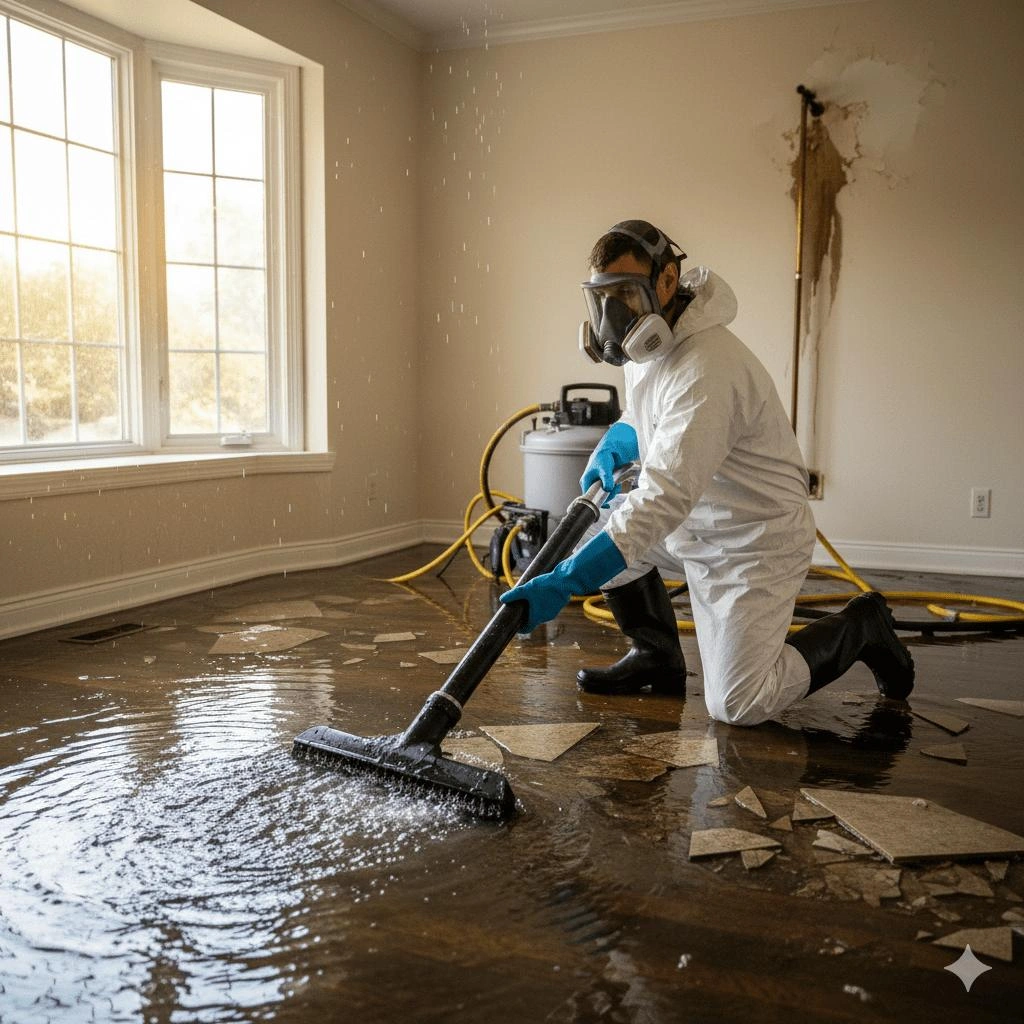
Restoration technician using water extraction equipment on a flooded residential floor
Water Removal and Material Assessment

Removing Floodwater Is Only One Part of Cleanup

Water extraction can reduce the amount of standing water inside the property. However, it does not automatically remove moisture trapped inside drywall, subfloors, cabinets, or framing.

In addition, water removal alone cannot resolve contamination within affected materials. A provider must consider whether those materials can be cleaned or need removal.

Once the contamination and material decisions are clear, the cleanup plan can address moisture remaining in suitable structural materials.

Consequently, the process may involve both water extraction and structural drying , depending on the property's condition.

Important distinction

A dry-looking surface does not prove that underlying materials are dry or suitable to keep.

Cleanup or Replacement

What Can Be Cleaned, Dried, or Removed After Flooding?

Flood cleanup should consider the type of material, exposure, contamination, and physical damage. Some hard surfaces may allow appropriate cleaning. In contrast, certain porous materials may require removal after contact with contaminated floodwater.

Material Cleanup Consideration
Tile and suitable hard surfaces May allow cleaning and evaluation of underlying materials.
Drywall and insulation Contamination, saturation, and physical damage can make removal necessary.
Carpet and padding Floodwater can reach absorbent layers that are difficult to clean.
Cabinets and trim Material construction, swelling, and hidden moisture affect decisions.
Structural framing May need appropriate cleaning and moisture assessment after contamination is addressed.
Furniture and belongings Salvage decisions depend on materials, exposure, and condition.
Ask for a material-by-material explanation. The provider should explain what can remain, what requires further evaluation, and why specific materials need removal.
Indoor Air and HVAC

What If Floodwater Reaches the HVAC System?

Heating and cooling equipment can become part of the cleanup problem when floodwater reaches components or ductwork.

For example, flooding may introduce contamination or moisture into equipment that circulates air throughout the home.

Therefore, do not operate flood-affected HVAC equipment until qualified personnel evaluate the system.

Review the EPA's flood cleanup and indoor air guidance .

Hidden Moisture

Flood Cleanup Doesn't End When the Floor Looks Dry

Once workers remove standing floodwater, moisture may remain in building materials. This includes subfloors, wall cavities, trim, framing, and cabinets.

As a result, the cleanup plan should consider moisture conditions beyond what homeowners can see on the surface.

When suitable materials remain after cleaning, drying and monitoring may help prepare the home for repairs.

Learn more

See our structural drying in New Orleans page for details about retained moisture.

Moisture-Related Problems

Can Flooded Homes Develop Mold Quickly?

Mold can develop when affected materials remain damp. In fact, EPA guidance emphasizes drying wet homes and belongings promptly, ideally within 24–48 hours when conditions allow. However, contaminated or badly damaged materials may require removal rather than simple drying.

Wet Drywall

Moisture can remain in drywall and surrounding wall assemblies after water recedes.

Subfloor Moisture

Water may remain beneath visible flooring and inside absorbent layers.

Wall Cavities

Concealed spaces can retain moisture without obvious surface damage.

Cabinets

Cabinet bases and nearby wall materials may absorb water during flooding.

Framing

Suitable framing may require moisture checks before reconstruction.

Recurring Dampness

Unresolved moisture can contribute to repeated mold problems.

Already seeing mold?

If visible growth or persistent musty odors develop after flooding, review mold remediation in New Orleans .

Find the Right Service

Flood Cleanup, Storm Damage, Sewage Cleanup, or Water Extraction?

These services can overlap, but each addresses a different primary problem. Understanding what caused the damage helps homeowners describe the situation more accurately.

Storm Water Damage

Focuses on water intrusion and property damage caused by storms, wind-driven rain, and related events.

Storm water damage →

Sewage Backup Cleanup

Focuses on wastewater backing into a property through drains, toilets, or sewer-related systems.

Sewage backup cleanup →

Water Extraction

Focuses on removing standing or excess water from affected indoor areas.

Water extraction →

Structural Drying

Focuses on moisture remaining inside suitable building materials after water removal and cleanup decisions.

Structural drying →
Before Repairs Begin

How Do You Know Flood Cleanup Is Complete?

A room looking cleaner does not always mean the recovery work is complete. Instead, homeowners should ask how the provider evaluated contamination, remaining materials, moisture conditions, and repair readiness.

Standing Water Is Gone

The provider has addressed visible excess water in accessible affected areas.

Materials Were Evaluated

The cleanup plan accounts for damaged or unsuitable materials.

Suitable Surfaces Were Cleaned

Appropriate cleaning procedures address affected surfaces that can remain.

Moisture Conditions Were Checked

Remaining materials receive appropriate assessment before repairs.

Mold Concerns Were Considered

The provider explains any visible or suspected mold-related issues.

Repair Work Is Clear

Homeowners understand what reconstruction is necessary and who will perform it.

What Changes the Work Scope?

What Makes Flood Cleanup in New Orleans More Involved?

The amount of floodwater matters, but it does not determine the entire cleanup scope. Other factors include the source of water, materials affected, contamination, hidden damage, and repair needs.

Flood Depth

Deeper water may affect more layers of walls, floors, and furnishings.

Number of Rooms

Water spreading through several rooms can increase cleanup complexity.

Water Source

Exterior floodwater may introduce contamination and debris.

Materials Affected

Drywall, insulation, flooring, trim, and cabinets may respond differently.

Concealed Moisture

Water can reach cavities and subfloors that require further evaluation.

Repair Requirements

Material replacement and reconstruction may follow the cleanup work.

Ask what the estimate includes.

Clarify whether the scope covers extraction, debris removal, cleaning, material removal, drying, moisture assessment, and reconstruction. Independent providers determine their own pricing.

For a broader breakdown of cleanup expenses, published national cost benchmarks, and questions to ask when reviewing estimates, see our water damage restoration cost guide for New Orleans . Flood cleanup costs depend on actual site conditions and may differ from general restoration averages.

Homeowner Records

What Should Homeowners Document After Flooding?

Flooded rooms can look different after cleanup begins. Therefore, photographs, written scopes, and records help homeowners track the original damage and work completed. Document conditions only when it is safe.

Water-Level Photos

Capture visible flooding and waterlines from a safe location.

Damaged Materials

Record visible damage to floors, walls, cabinets, and belongings.

How Water Entered

Note rainfall, rising water, exterior entry, or other known causes.

Written Cleanup Scope

Keep the proposed work description and provider information.

Additional Findings

Record new damage discovered when workers open affected materials.

Completion Records

Save final photos, invoices, and remaining repair recommendations.

Insurance reminder: Flood coverage depends on the policy and the cause of damage. Contact your insurer for policy-specific requirements. This website does not guarantee claim approval.
Local Flooding Context

Flood Cleanup in New Orleans Has Local Considerations

New Orleans homes can experience flooding from intense rainfall, rising water, and drainage-related conditions. In addition, building age, elevation, materials, and layout affect how water moves through a property.

Prepare for Heavy Rain

NOLA Ready provides local guidance about rainfall, flooding, preparedness, and emergency safety.

Homeowners can review those resources before and after severe weather.

NOLA Ready: Ready for Rain →

Report Street Flooding

Street flooding and drainage issues may require attention from the appropriate local public service.

However, public drainage reporting is separate from cleaning and restoring a home.

New Orleans flooding information →
Our service-area focus

This website focuses on residential requests within New Orleans city. Provider availability depends on location, the type of request, and participating provider capacity.

For broader information, visit our water damage restoration in New Orleans homepage.

Before Approving Work

Questions to Ask About a Flood Cleanup Scope

A useful cleanup proposal should explain the extent of flooding, material decisions, contamination concerns, and moisture evaluation. Additionally, homeowners should understand which repairs are included and which require separate approval.

Which Areas Did Floodwater Reach?

Ask whether the plan considers walls, cavities, flooring, cabinets, and nearby rooms.

How Is Contamination Evaluated?

Find out how the source of water affects cleaning and material decisions.

Which Materials Can Remain?

Request an explanation of cleaning, drying, and removal choices.

How Will Hidden Moisture Be Checked?

Confirm whether remaining building materials need evaluation before repairs.

Does the Scope Include Reconstruction?

Ask whether the provider will complete repairs or coordinate separate work.

What Determines Completion?

Understand how the provider evaluates remaining damage, cleanliness, and moisture conditions.

Homeowner Questions

Frequently Asked Questions About Flood Cleanup

What does flood cleanup include?

Flood cleanup may include safety evaluation, standing-water removal, debris cleanup, material assessment, appropriate cleaning, and moisture control. The exact scope depends on the property.

Is floodwater considered clean water?

Not automatically. Floodwater can carry sewage, debris, chemicals, and other contaminants. Therefore, the water source matters when planning cleanup.

Can I enter a flooded room to shut off electricity?

Do not walk through water to access electrical equipment. Instead, seek guidance from qualified personnel when electrical hazards may be present.

Can flooded drywall be dried instead of removed?

Sometimes, but not in every situation. Contamination, saturation, damage, and material condition affect whether removal is appropriate.

How quickly can mold develop after flooding?

Mold can develop as wet materials remain damp. Consequently, prompt moisture control matters, although contaminated materials may require removal first.

Should I turn on the HVAC system after flooding?

If floodwater affected the system, avoid operating it until qualified personnel evaluate the equipment and possible contamination.

What is the difference between flood cleanup and water extraction?

Water extraction focuses on removing standing water. Flood cleanup addresses the broader effects of a flooding event, including materials, contamination, cleaning, and drying.

How can I check flood cleanup availability in New Orleans?

Homeowners can call (866) 203-7057 to describe the flooding and check availability with participating independent providers.

Residential Flood Cleanup

Check Flood Cleanup Availability in New Orleans

Need flood cleanup in New Orleans after heavy rainfall, rising water, or another flooding event? Describe how water entered, the rooms affected, and whether standing water remains. Then, call to check independent local-provider availability.

This website helps homeowners connect with independent local service providers. Availability depends on ZIP code, request type, and provider capacity. Homeowners should verify applicable licensing, insurance, qualifications, and the proposed scope of work before hiring.