Home About Contact Blog Call (866) 203-7057
Moisture & Drying Services • New Orleans

Structural Drying in New Orleans, LA

Structural drying in New Orleans helps reduce moisture that remains inside drywall, flooring, subfloors, wall cavities, cabinets, framing, and other building materials after excess water has been removed. A drying plan should identify what is still wet, control moisture in the air, and verify that affected materials are actually drying.

Hidden Moisture Wet Drywall Subfloor Moisture Moisture Monitoring
Residential Homeowner drying requests
Hidden Moisture Beyond what the surface shows
Measured Drying Progress should be checked
New Orleans Residential city service area
Start With the Right Service

Is Structural Drying the Right Next Step?

Structural drying usually becomes relevant after the active water source has been controlled and standing water has been removed, but walls, flooring, cabinets, framing, or other materials are still damp.

Structural Drying May Fit When…

  • Standing water is gone but materials are still damp.
  • Drywall or baseboards continue to feel wet.
  • Water traveled beneath finished flooring.
  • Moisture may be trapped inside a wall cavity.
  • Cabinets or trim absorbed water from a leak.
  • Materials need checking before repairs.

Water Extraction May Come First When…

  • Water is still pooled across the floor.
  • Carpet or flooring contains significant free water.
  • Water continues to spread into adjoining areas.
  • The source is controlled but excess water remains.

If standing water remains the main problem, review water extraction in New Orleans before the drying phase.

Moisture Beyond the Surface

A Room Can Look Dry While Materials Are Still Wet

Water rarely stays exactly where it first appears. It can move beneath flooring, wick upward through drywall, collect below cabinets, or travel through openings around plumbing and trim.

This is why the disappearance of a puddle does not necessarily mean the building materials have returned to a dry condition.

Structural drying focuses on identifying materials that absorbed water and checking whether their moisture levels are moving toward an appropriate dry condition.

Looks dry and measures dry are different. Hidden areas may need evaluation before flooring, walls, or finishes are closed or covered again.
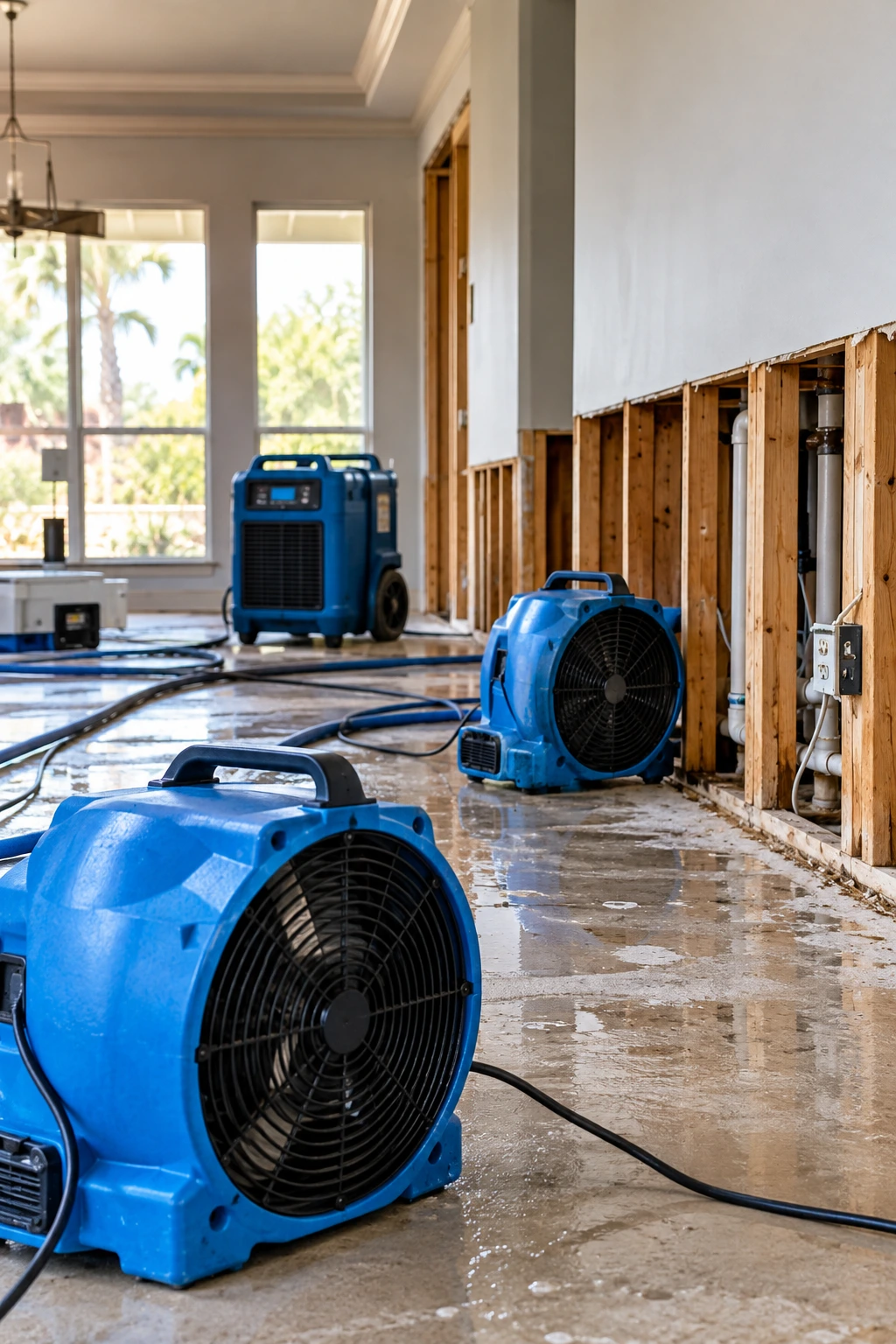
Air movers and a dehumidifier inside a water-damaged residential room with exposed wall framing
Building Materials

Where Hidden Moisture Commonly Remains

Different materials absorb and release moisture differently. A drying plan should follow the materials that became wet, rather than treating every room or water event the same.

1. Water reaches a surface

Leaks or intrusion wet a floor, wall edge, cabinet area, or other building surface.

2. Moisture travels further

Porous materials and concealed gaps can carry water beneath or behind finishes.

3. Verify affected materials

Moisture measurements help identify where drying is still needed.

Drywall

Drywall can absorb moisture from below, behind, or above. A visible stain may represent only part of the affected area.

Flooring

Water can move beneath wood, laminate, carpet, padding, and other floor finishes after the upper surface starts to feel dry.

Subfloors

Moisture below finished flooring can remain in plywood or other subfloor materials after the visible floor has improved.

Wall Cavities

Moisture may enter concealed spaces through plumbing openings, roof leaks, saturated drywall, or water moving along framing.

Cabinets

Plumbing and appliance leaks can wet cabinet bases, toe kicks, walls behind cabinetry, and flooring underneath.

Trim and Framing

Baseboards, wood trim, framing, and other porous components can hold moisture after surface water disappears.

An Important Drying Decision

Can the Material Dry in Place, or Does It Need to Be Opened or Removed?

The decision should depend on material condition, water source, contamination, access, and drying progress. Wet does not always mean everything must be removed, but not every material is suitable for drying in place.

Drying in Place May Be Considered When Opening or Removal May Be Needed When
The material remains physically stable. It is swollen, crumbling, or badly damaged.
Moisture can be reached with appropriate drying methods. Moisture is trapped behind materials that restrict access.
Moisture readings are decreasing appropriately. Readings remain elevated despite suitable drying efforts.
The water source and material condition allow restoration. Contamination or damage makes drying in place unsuitable.
This decision is property-specific. Two rooms affected by the same leak may need different approaches because their materials, access, saturation, and water conditions differ.
What the Process Looks Like

How Structural Drying Typically Progresses

Structural drying is more than placing equipment in a room. The process should respond to actual moisture conditions and whether affected materials are showing measurable progress.

1

Control the Water Source

A pipe, roof opening, appliance, or other active source should be addressed before drying can progress effectively.

2

Map the Moisture

Appropriate checks help identify wet materials and where water traveled beyond visible damage.

3

Establish Drying Conditions

Controlled air movement and dehumidification may support evaporation while managing airborne moisture.

4

Improve Access if Needed

Some materials can dry in place. Others may need inspection or access behind flooring, trim, cabinetry, or wall materials.

5

Check Drying Progress

Follow-up measurements help show whether moisture is decreasing and whether the plan needs adjustment.

6

Verify Before Repairs

Affected materials should be evaluated before painting, rebuilding, replacing flooring, or concealing damaged areas.

Water Is Gone but Materials Still Feel Damp?

Describe the water source, affected rooms, and materials that remain damp. Call to check independent provider availability for residential structural drying in New Orleans.

Drying Tools Explained

What the Drying Equipment Is Actually Doing

Each drying tool serves a different purpose. The important question is whether the equipment and drying conditions are helping affected materials release moisture.

Moisture Meters

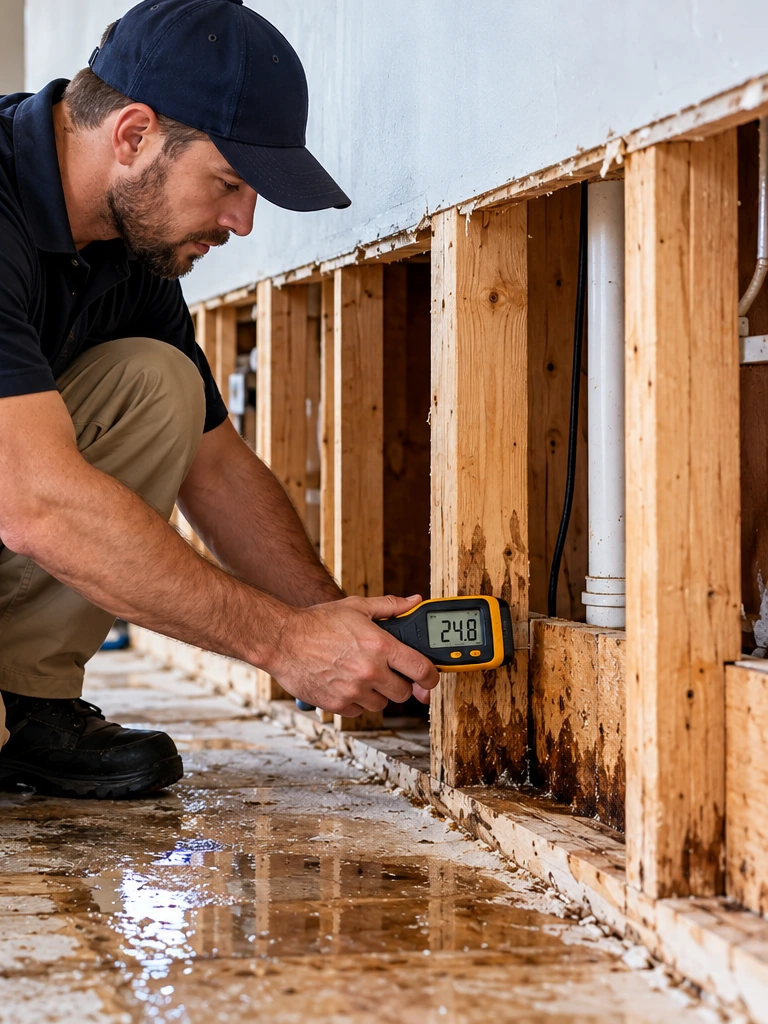
Moisture meters help evaluate affected materials and track changes in moisture levels. Surfaces may look dry while deeper material remains damp.

Air Movers

Appropriate air movement encourages evaporation from wet surfaces. Placement and the affected material determine how useful the airflow may be.

Dehumidifiers

As moisture leaves materials, it enters the air. Dehumidifiers help remove water vapor and support controlled drying conditions.

Humidity and Temperature Checks

Air conditions influence evaporation. Monitoring humidity and temperature helps assess whether the environment supports the drying plan.

Professional restoration guidance The ANSI/IICRC S500 Standard for Professional Water Damage Restoration provides a framework for water-damage restoration procedures, drying technology, inspections, and documentation.
Technician checking moisture in exposed wooden wall framing during structural drying
Drying Verification

How Do You Know the Structure Is Actually Dry?

A fixed number of drying days does not prove that a particular wall, floor, cabinet, or subfloor has reached an appropriate dry condition.

Different materials and water events behave differently. Comparing moisture measurements over time can be more useful than relying on appearance or a predetermined timeline.

  • Identify materials that were wet initially.
  • Establish moisture conditions where appropriate.
  • Recheck affected areas during drying.
  • Adjust access or drying methods if progress stalls.
  • Evaluate materials before repairs conceal them.
Why verification matters Paint, flooring, cabinets, or closed walls can conceal remaining moisture. A proper assessment helps avoid covering materials that are still damp.

Before Closing Walls or Installing New Flooring

Material Locations

Confirm which affected materials were checked, including concealed areas when appropriate.

Progress Measurements

Ask how the provider compared moisture measurements over the drying period.

Completion Basis

Request an explanation of drying goals and any remaining areas requiring attention.

Understanding the Work

What Affects the Scope of Structural Drying?

Two properties with similar-looking water damage may require very different drying plans. The scope depends on water movement, affected materials, accessibility, environmental conditions, and drying progress.

Size of the Affected Area

Moisture affecting several rooms can require a broader drying plan than one localized damp wall.

Materials That Became Wet

Drywall, wood, plaster, padding, cabinets, framing, and insulation respond differently to water exposure.

Depth of Saturation

Surface dampness is different from water penetrating multiple layers of a floor or wall assembly.

Access to Moisture

Moisture behind cabinets, beneath flooring, and inside cavities may require additional evaluation.

Water Source and Conditions

Clean plumbing leaks, floodwater, and sewage involve different contamination and cleanup considerations.

Drying Progress

Drying methods may need adjustments when measurements show that materials are not drying as expected.

The scope should follow the damage. Ask what is wet, how affected materials will be reached, what equipment or monitoring is included, and how completion will be evaluated. Independent providers set their own pricing.

To understand how drying, water removal, and additional repairs can affect a restoration estimate, read our New Orleans water damage restoration cost guide . The guide explains published national pricing benchmarks and questions to ask when comparing quotes.

Keep Property Records Organized

What Documentation Should Homeowners Keep During Structural Drying?

Water damage can change as materials are opened, dried, removed, or repaired. Keeping records helps homeowners understand the work and track changes throughout the restoration process.

Photos Before Work

From safe locations, photograph visible water, staining, wet flooring, and other affected materials.

Notes About the Source

Record what is known about the event and when the water problem was discovered.

Affected Rooms and Materials

Keep a record of wet drywall, flooring, cabinets, baseboards, ceilings, and subfloors.

Written Scope or Estimate

Keep the proposal describing drying, monitoring, equipment, material removal, and additional services.

Moisture Information

Retain moisture readings, drying records, and progress updates when the provider supplies them.

Scope Changes

Record newly discovered hidden damage and why additional work was recommended.

Invoices and Service Records

Save invoices, work authorizations, receipts, and other project records.

Completion Information

Keep any final moisture documentation, photographs, completion notes, and repair recommendations.

Insurance coverage depends on the policy. Coverage can vary by the water source, exclusions, limits, and circumstances. Follow your insurer's reporting and documentation instructions.

If you're checking whether a covered water loss may include structural drying costs, read our Louisiana water damage insurance guide . Keep photos, moisture records, and invoices for your insurer's review.

New Orleans Context

Why the Building Itself Matters in New Orleans

New Orleans has varied housing styles, including historic shotgun houses, Creole cottages, raised cottages, townhouses, bungalows, and newer construction. This matters because plaster, wood flooring, raised floor systems, drywall, slab construction, and renovated assemblies can respond differently to water.

A structural drying plan should therefore reflect the actual building materials and how water traveled through the property—not simply the home's age or neighborhood.

For historic building considerations, review the City's Historic District Landmarks Commission design guidance .

For official rainfall and flood preparedness resources, visit NOLA Ready .

Residential service requests focus on New Orleans city. Availability depends on the homeowner's ZIP code, request type, and participating provider capacity.

For the wider restoration process, see our water damage restoration in New Orleans overview.
Moisture Control

Structural Drying and Mold Remediation Are Different

Structural drying addresses moisture retained in building materials. Mold remediation addresses mold growth and affected materials when a mold problem has developed.

EPA guidance emphasizes moisture control as a central part of mold prevention and recommends addressing wet or damp materials promptly.

Review the EPA homeowner guide to mold and moisture .

Seeing visible or suspected mold? Read our mold remediation in New Orleans page for mold-specific considerations after water damage.
Moisture inspection following residential water damage in New Orleans
How Did the Water Get There?

Common Water Events That Can Leave Building Materials Wet

Structural drying addresses retained building moisture. The original water source still matters because plumbing leaks, roof damage, appliance failures, flooding, storms, and sewage backups may require different cleanup approaches.

Appliance Leak Water Damage

Washing machines, dishwashers, refrigerators, and water heaters may release water beneath appliances and flooring.

Appliance leak water damage →

Storm Water Damage

Storm intrusion can wet building materials even after visible water has disappeared.

Storm water damage →

Sewage Backup Cleanup

Contaminated water requires additional precautions and can affect whether materials should be removed rather than dried.

Sewage backup cleanup →
Before Approving the Work

Useful Questions to Ask About the Drying Plan

A useful drying scope should explain which materials are wet, what will be monitored, and how the provider will evaluate completion.

Which materials are actually wet?

Ask whether the assessment includes visible surfaces, subfloors, cabinets, framing, and concealed areas.

How will progress be checked?

Ask how moisture conditions will be evaluated and compared throughout drying.

Which materials may remain in place?

Ask why a material is being dried, opened for evaluation, or removed.

What determines completion?

Ask what conditions or readings will be used before equipment removal and repairs.

Homeowner Questions

Frequently Asked Questions About Structural Drying

What is structural drying?

Structural drying is the process of reducing retained moisture inside building materials after water damage.

Is structural drying the same as water extraction?

No. Water extraction removes standing or excess water. Structural drying addresses moisture remaining inside affected building materials.

How do you know when wet materials are dry?

Appropriate moisture measurements and comparisons can help assess drying progress rather than relying on appearance alone.

Can wet drywall be dried instead of removed?

Sometimes. The decision depends on the water source, saturation, condition, accessibility, contamination, and material response.

Can a subfloor remain wet after the floor looks dry?

Yes. Water may remain in underlying materials after the visible surface has improved.

How long does structural drying take?

Duration depends on materials, saturation, access, indoor conditions, and moisture measurements. There is no fixed timeline for every property.

Why not just use household fans?

Air movement is only one element of drying. Humidity control and moisture monitoring may also be needed for significantly wet building materials.

How do I check structural drying availability in New Orleans?

Homeowners can call (866) 203-7057 to describe the situation and check independent provider availability for New Orleans.

Residential Structural Drying

Check Structural Drying Availability in New Orleans

If standing water is gone but drywall, flooring, subfloors, cabinets, wall cavities, or other materials may still be damp, call to describe what happened and check independent provider availability for your New Orleans location.

This website helps homeowners connect with independent local service providers. Availability depends on the request and provider capacity. Homeowners should verify appropriate licensing, insurance, qualifications, and the proposed scope of work before hiring.